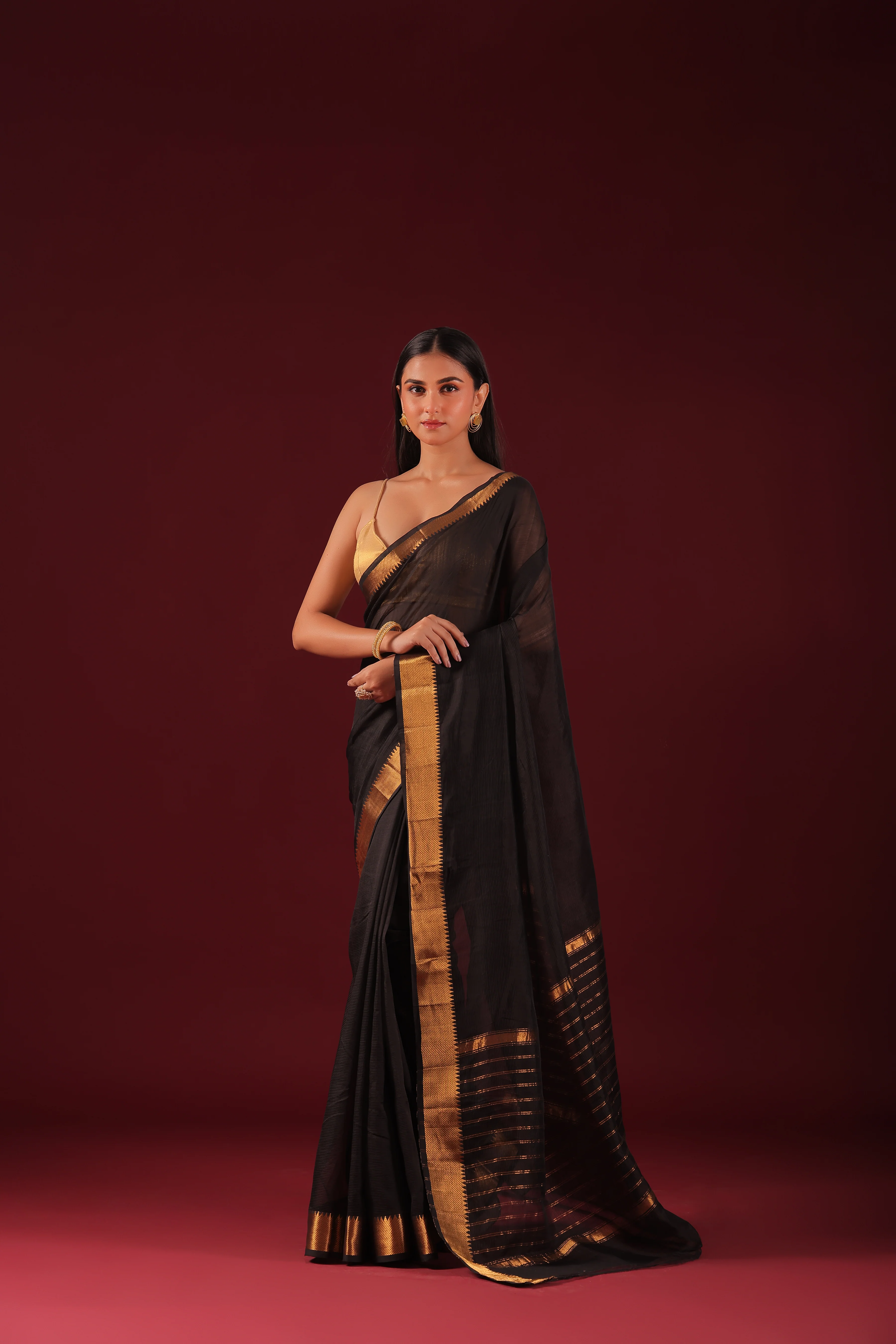
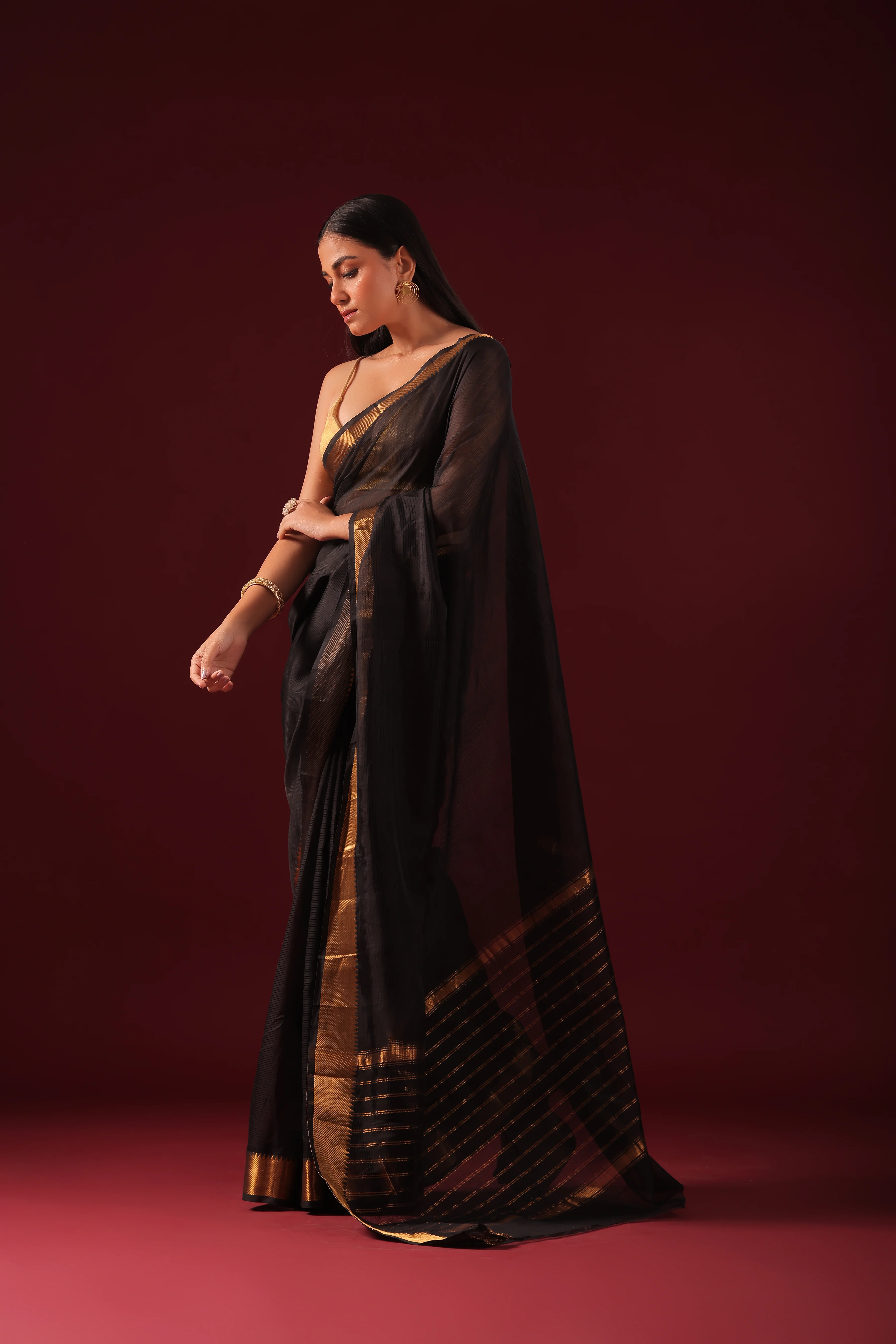
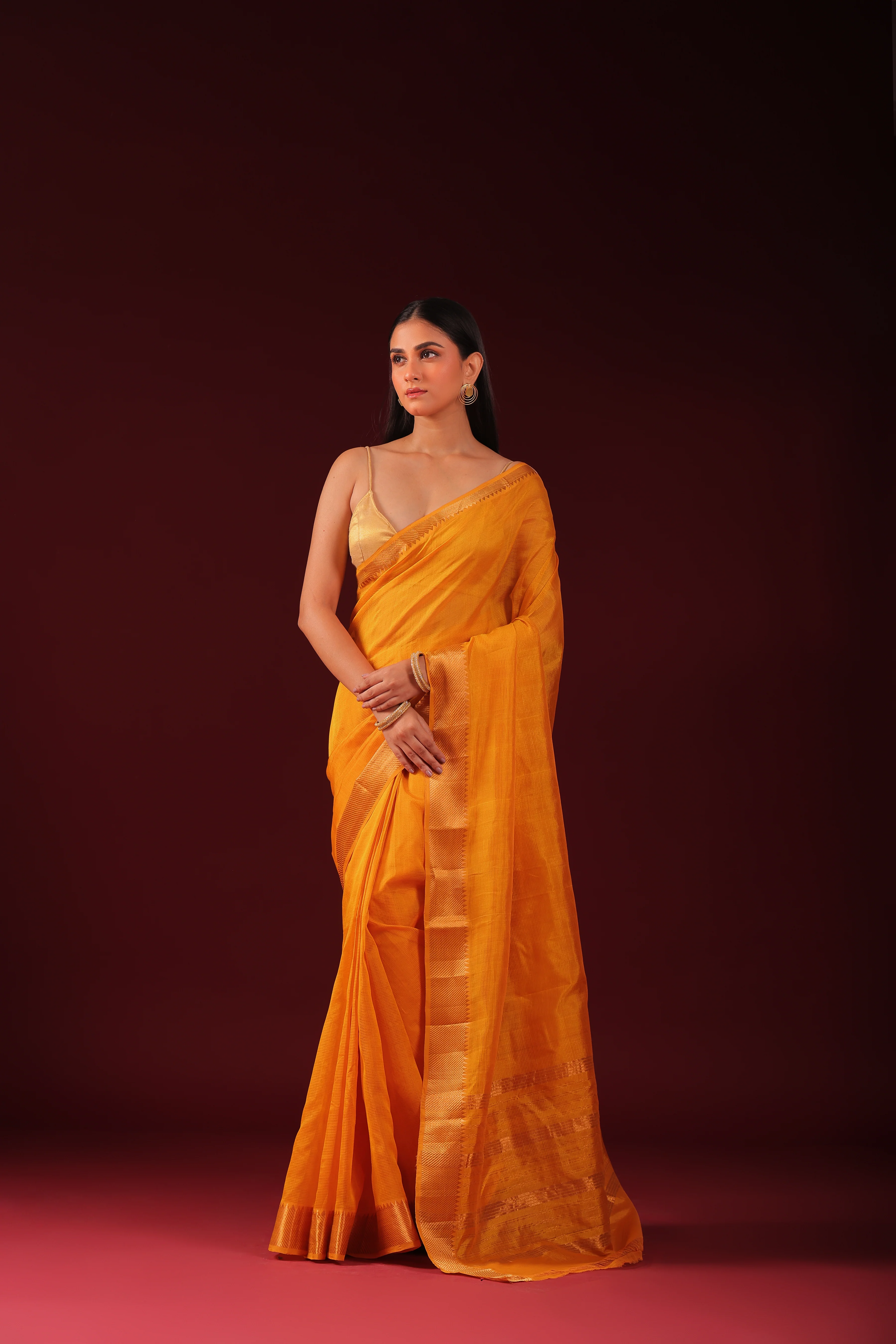
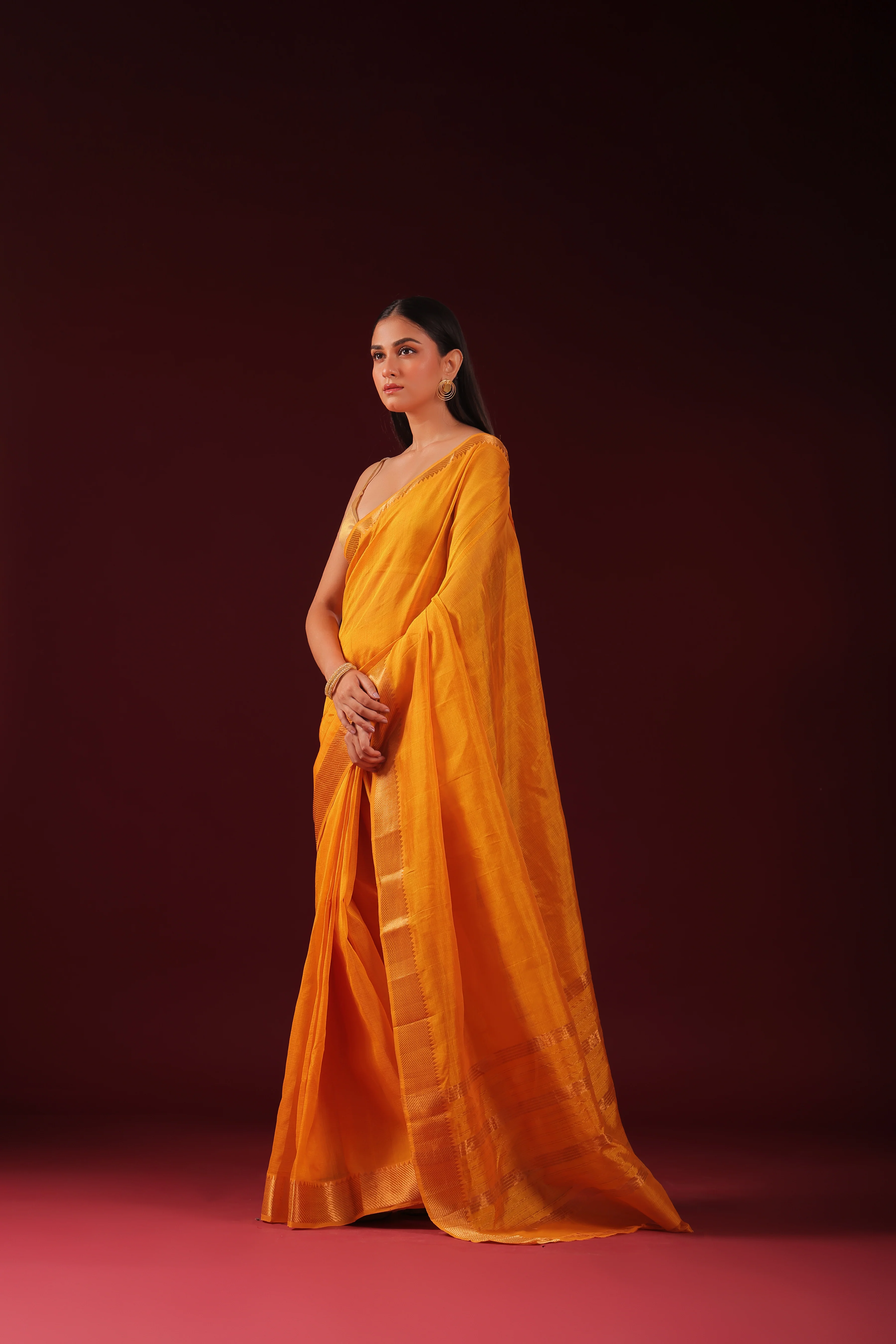
Tussar Jamdani
Here’s a clear and complete overview of a Tussar Jamdani saree — blending the earthy charm of Tussar silk with the artistic finesse of Jamdani weaving:
🧵 1. Fabric: Tussar Silk
-
Also called Kosa silk, native to India (Jharkhand, Chhattisgarh, Bihar).
-
Natural golden-beige tone, slightly coarse texture, light and breathable.
-
Has a matte sheen, which gives it a raw, organic elegance.
-
Very comfortable for hot or humid climates.
🧶 2. Weaving Technique: Jamdani
-
An ancient handwoven technique from Bengal and Bangladesh.
-
Made on traditional handlooms using the extra weft method.
-
Motifs are woven directly into the fabric (not embroidered or printed).
-
Creates a "floating" design effect on the surface of the saree.
-
Takes weeks or months to weave depending on complexity.
✨ 3. Design Features
-
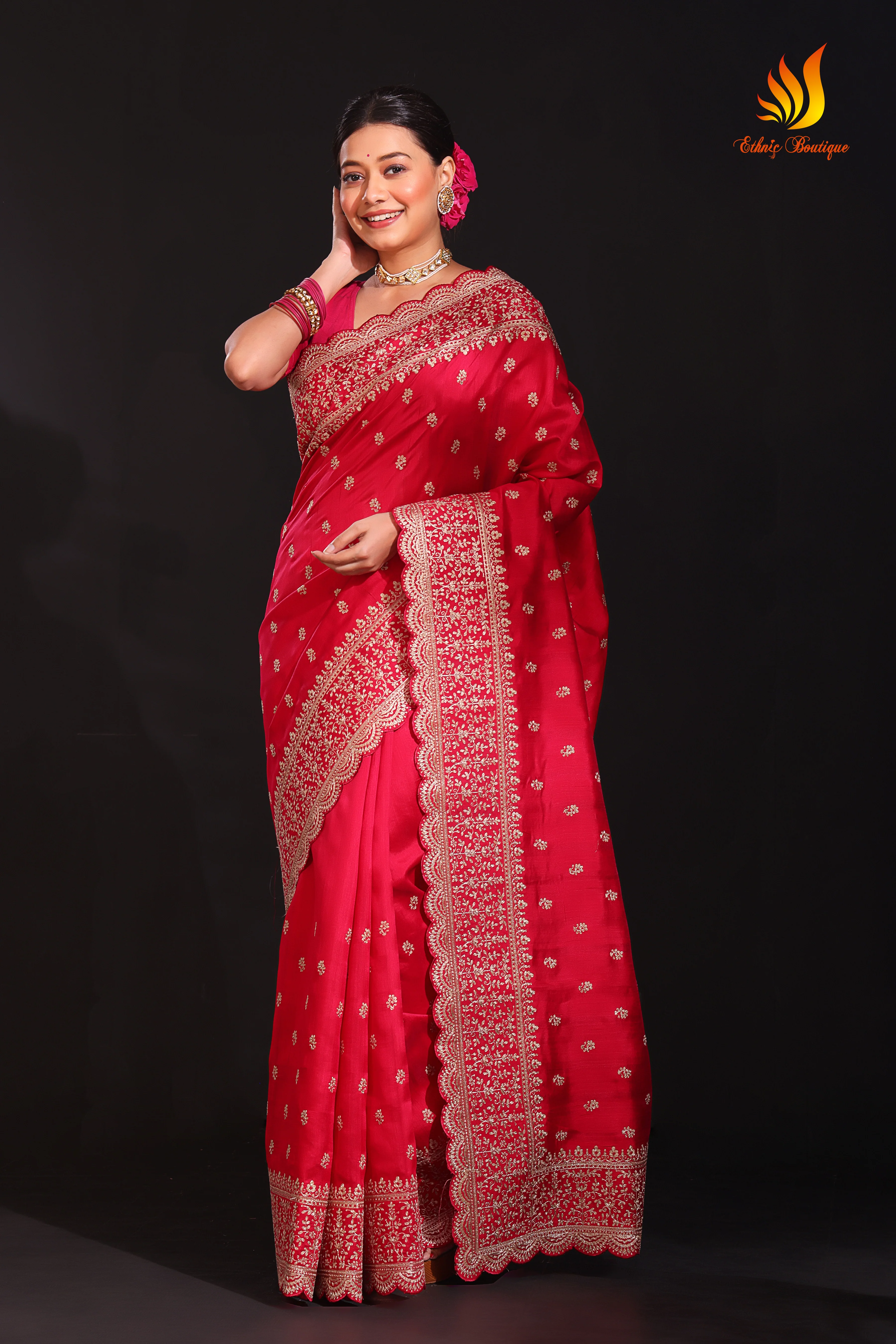
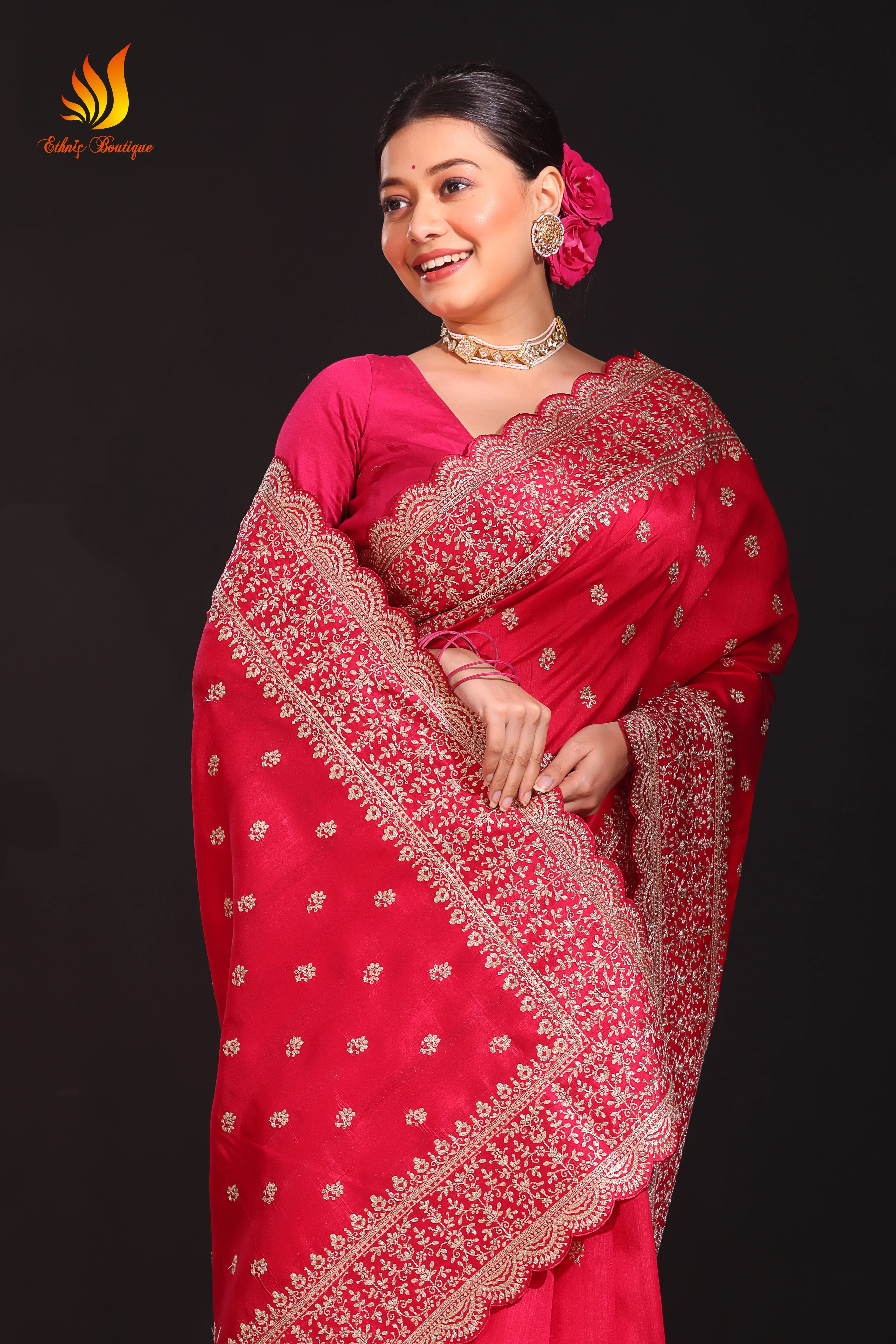
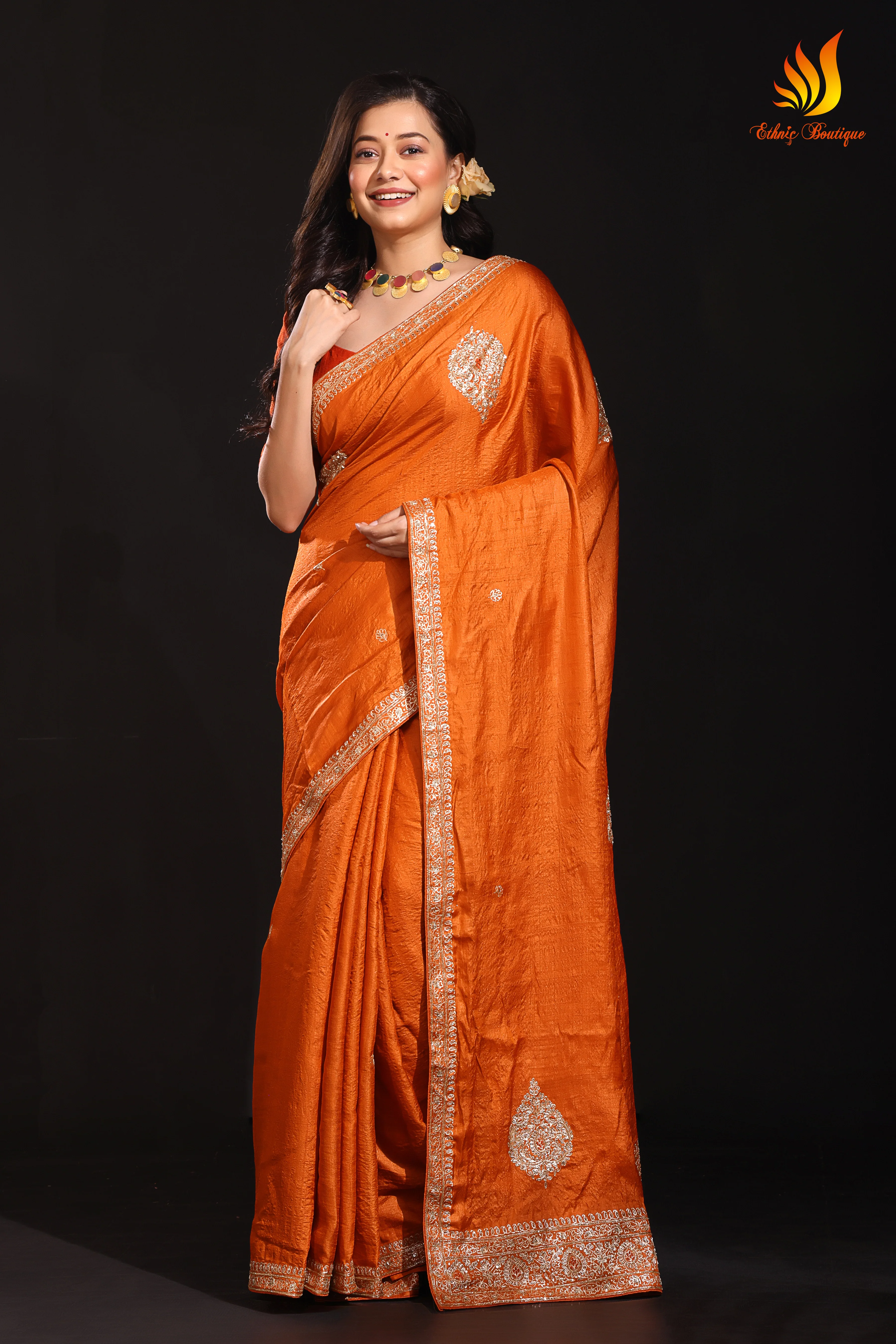
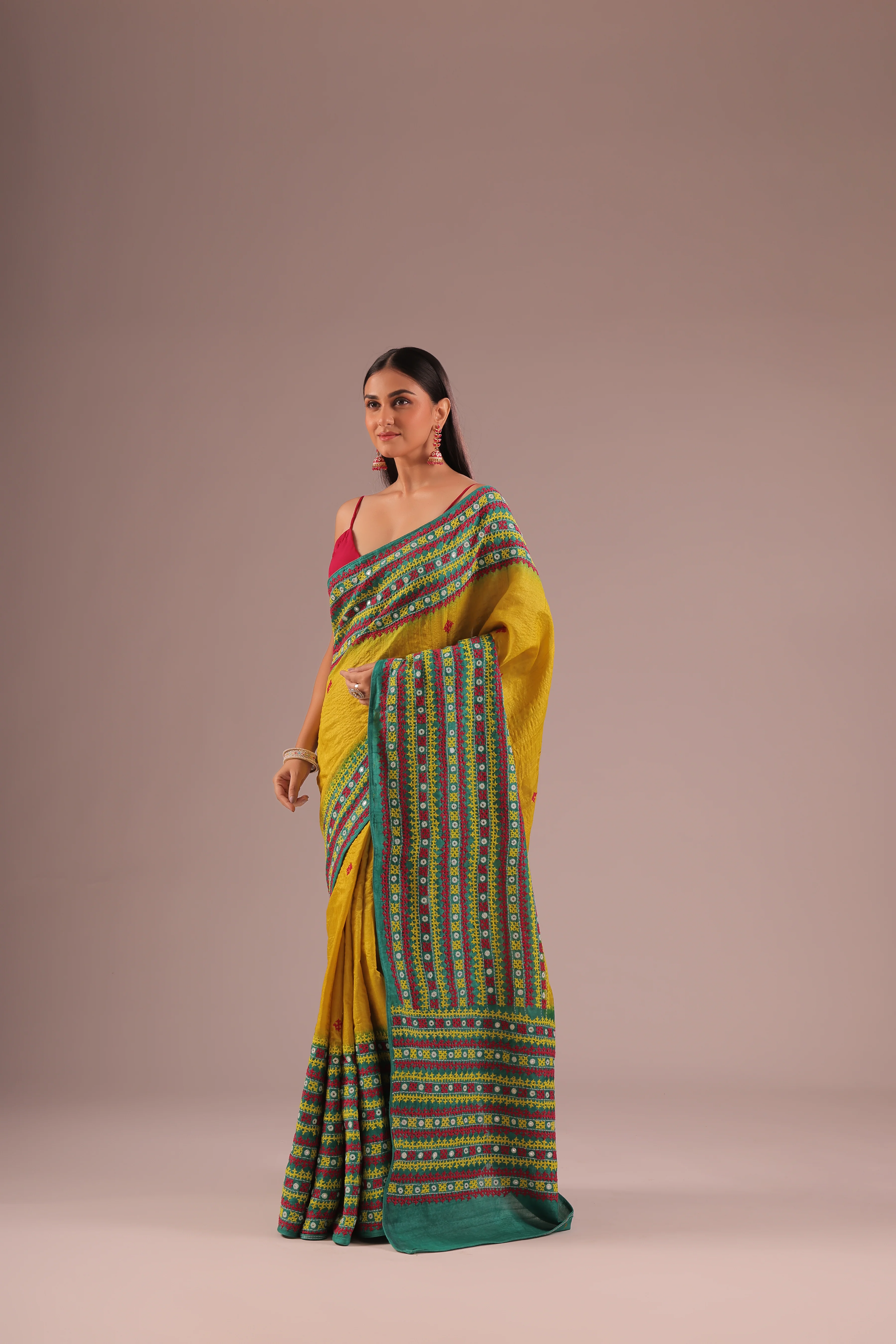
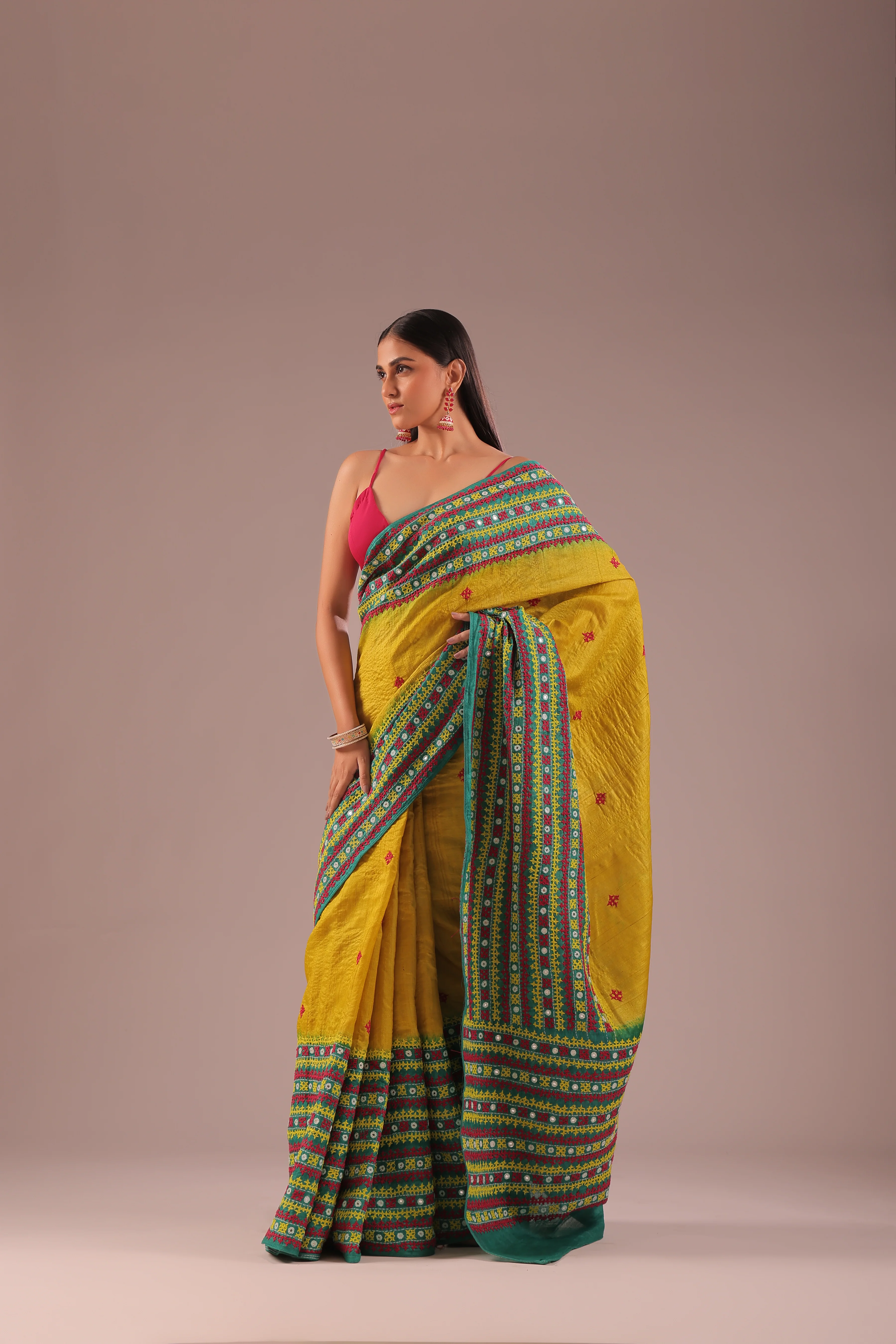
Body: Often plain or lightly textured with delicate handwoven motifs.
-
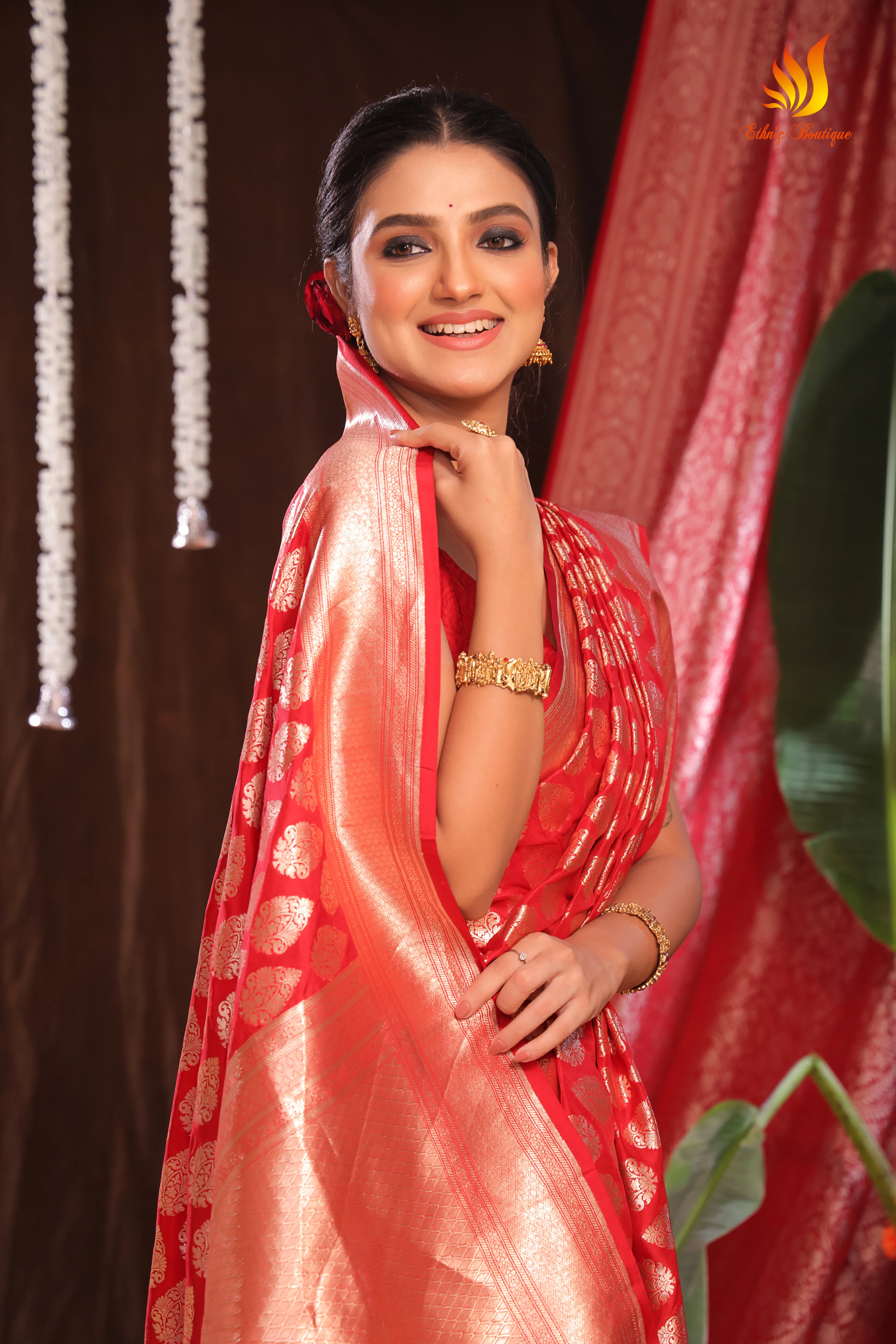
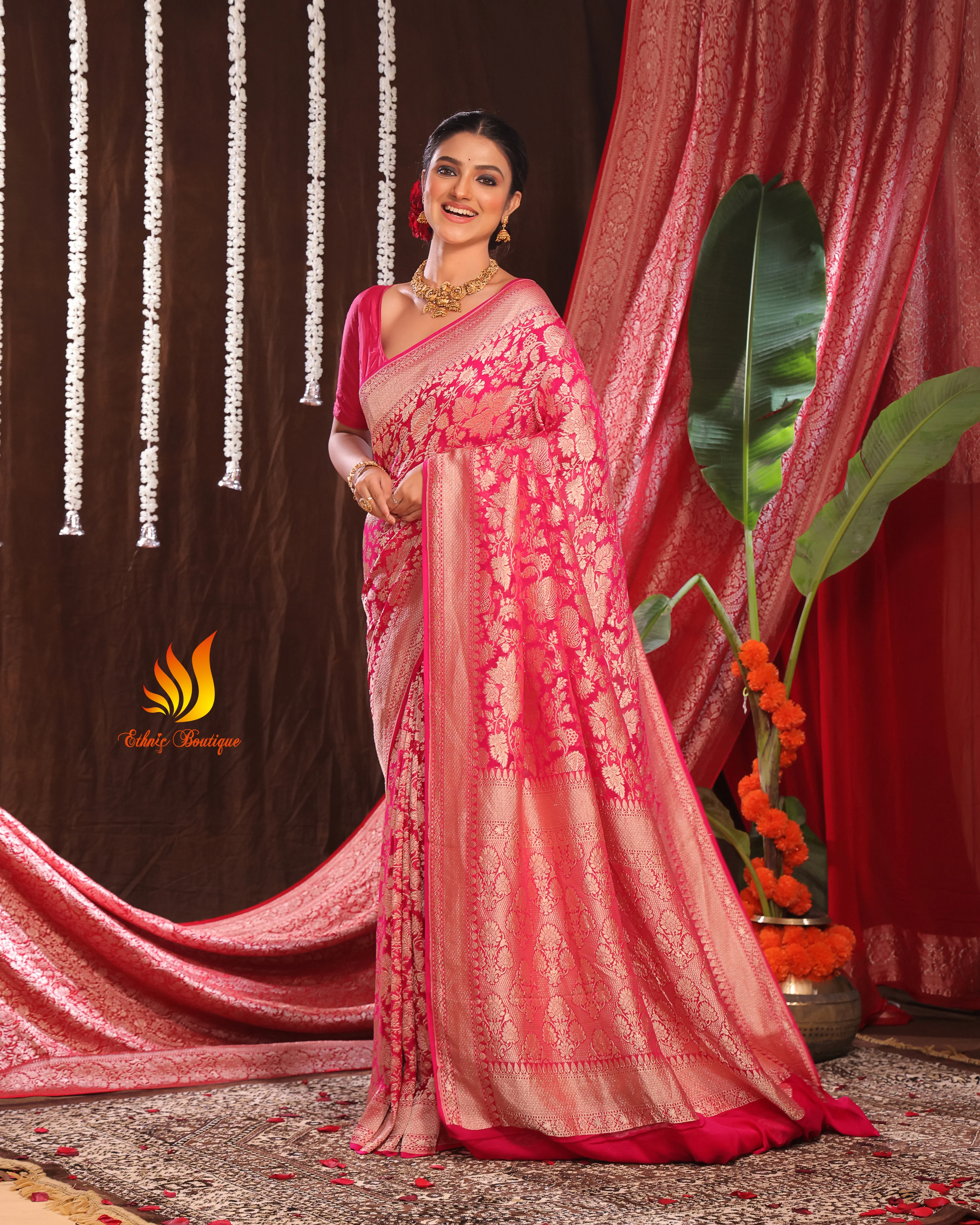
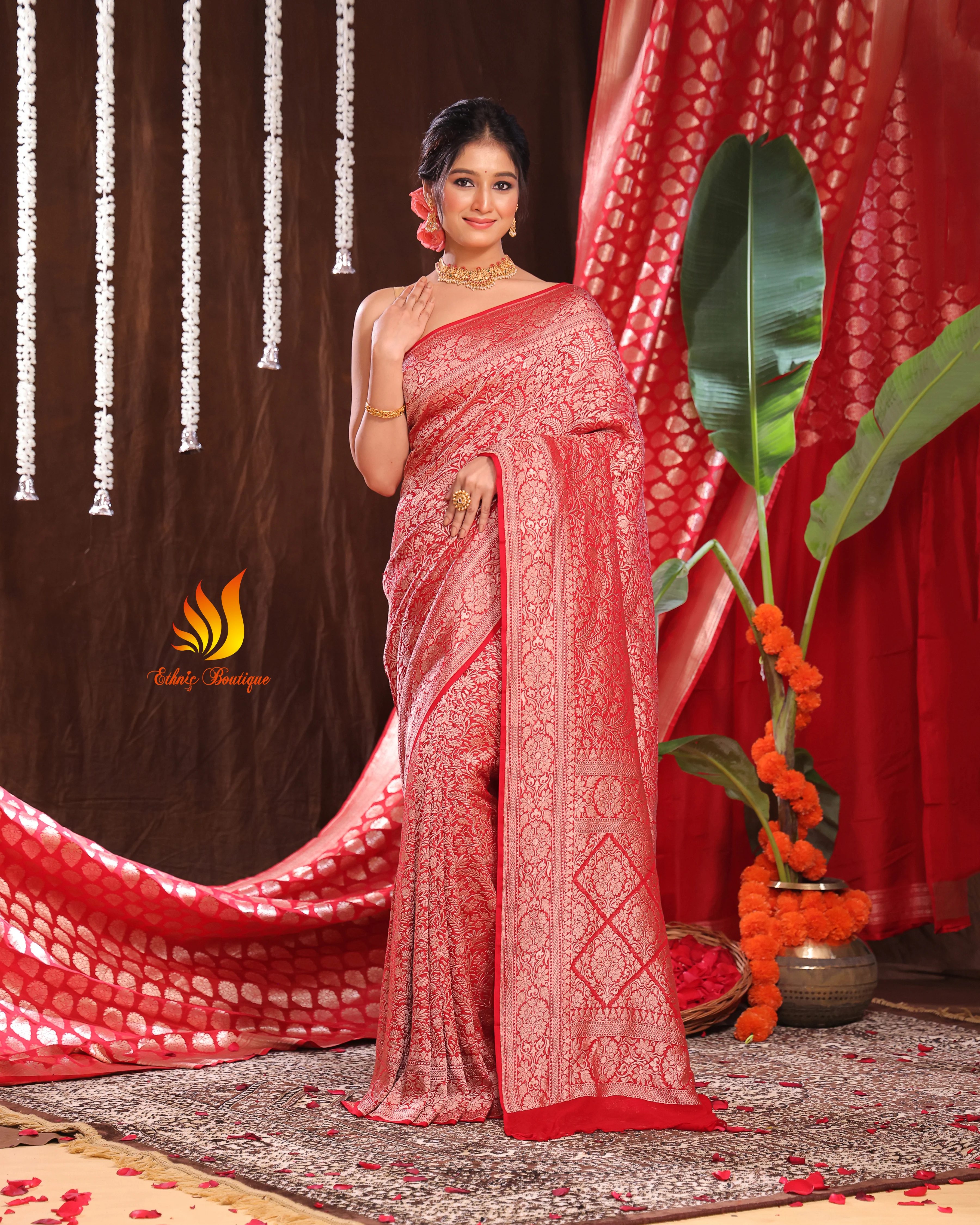
Motifs: Inspired by nature — leaves, florals, vines, paisleys, birds.
-
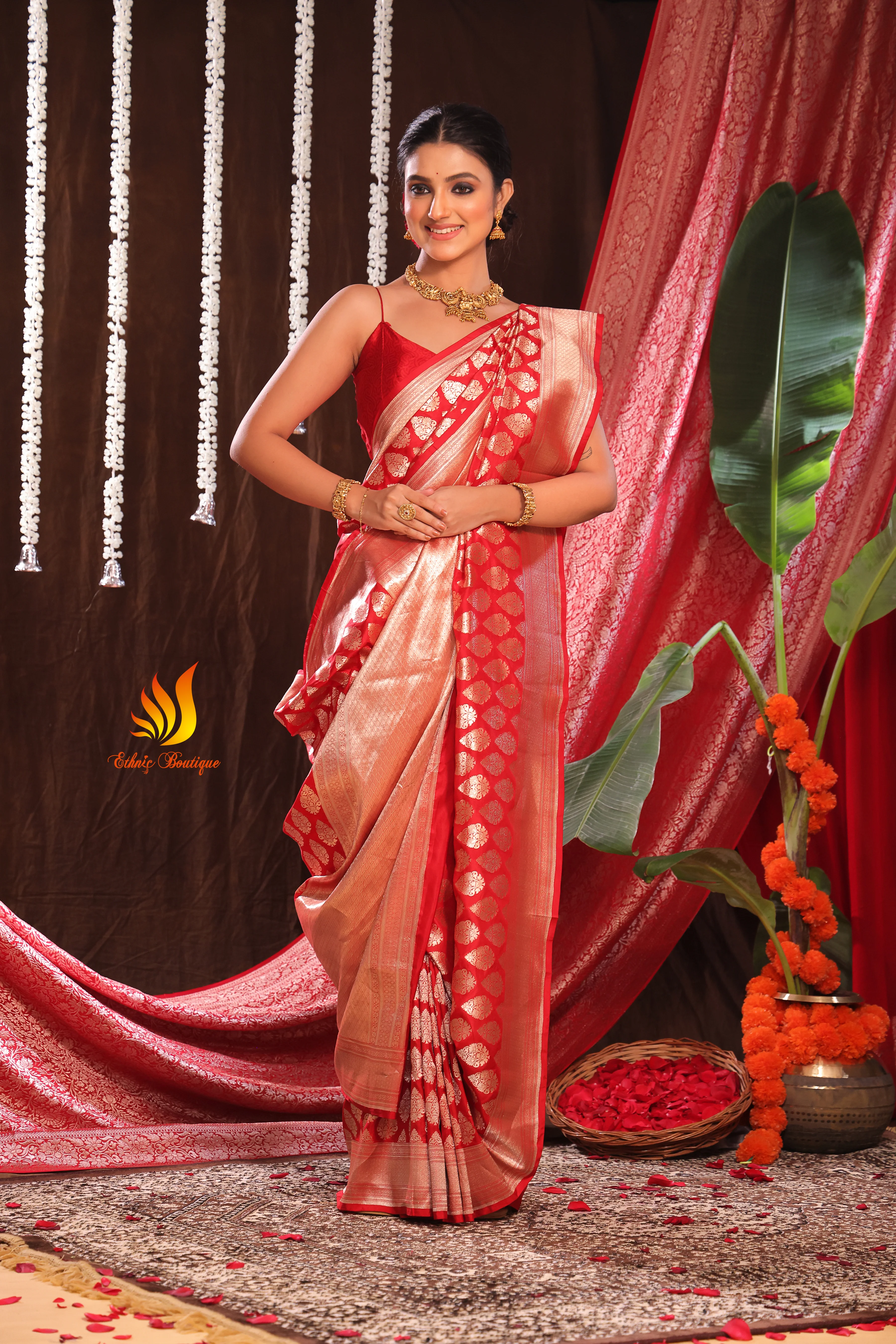
Borders & Pallu: Typically contrasting or intricately designed.
-
Some have light zari work for a touch of shine, but still remain elegant and subtle.
-
Perfect mix of ethnic and minimalistic aesthetics.
🎨 4. Color Variations
-
Earthy tones: beige, rust, olive, mustard.
-
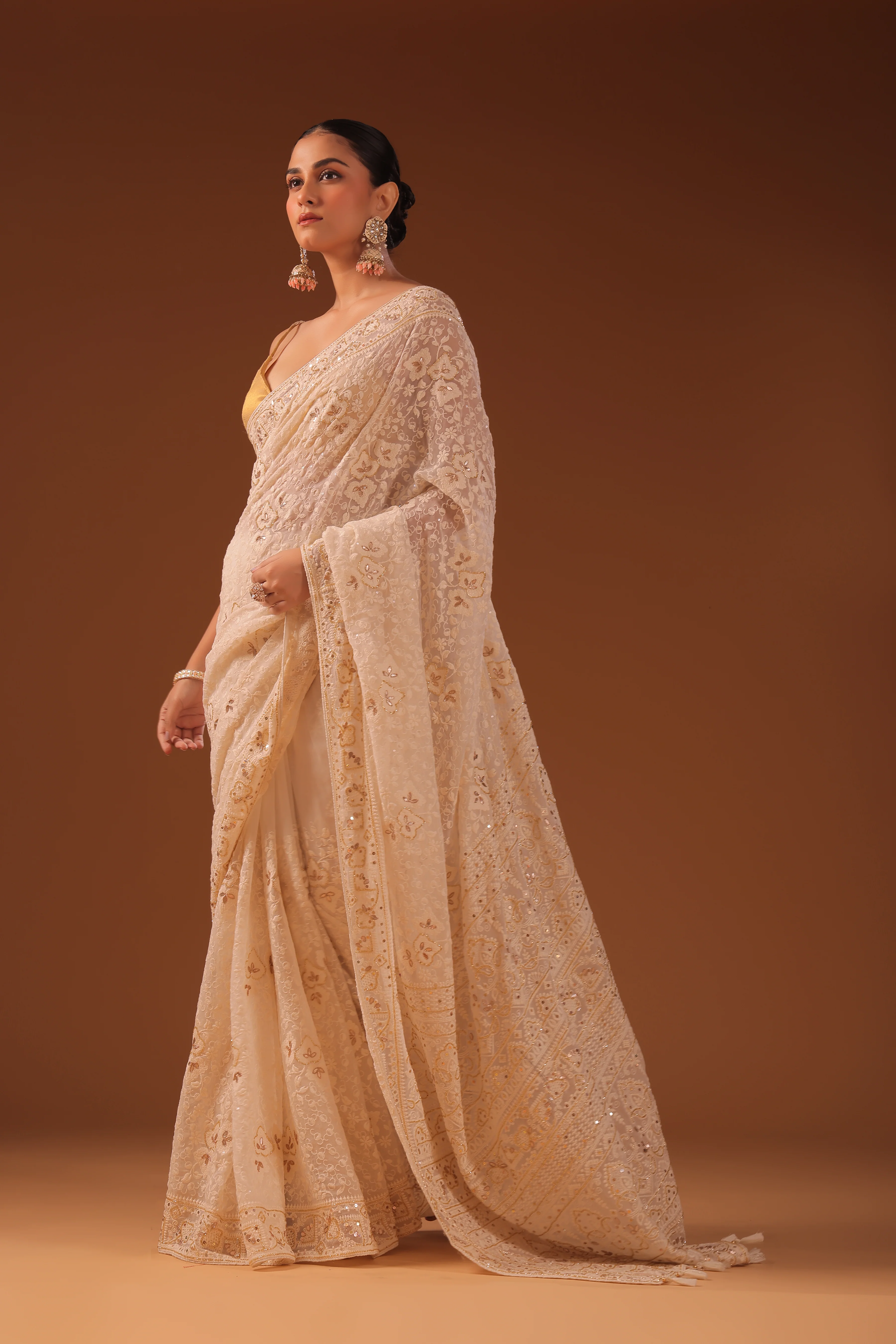
Pastels: rose pink, sky blue, mint green, ivory.
-
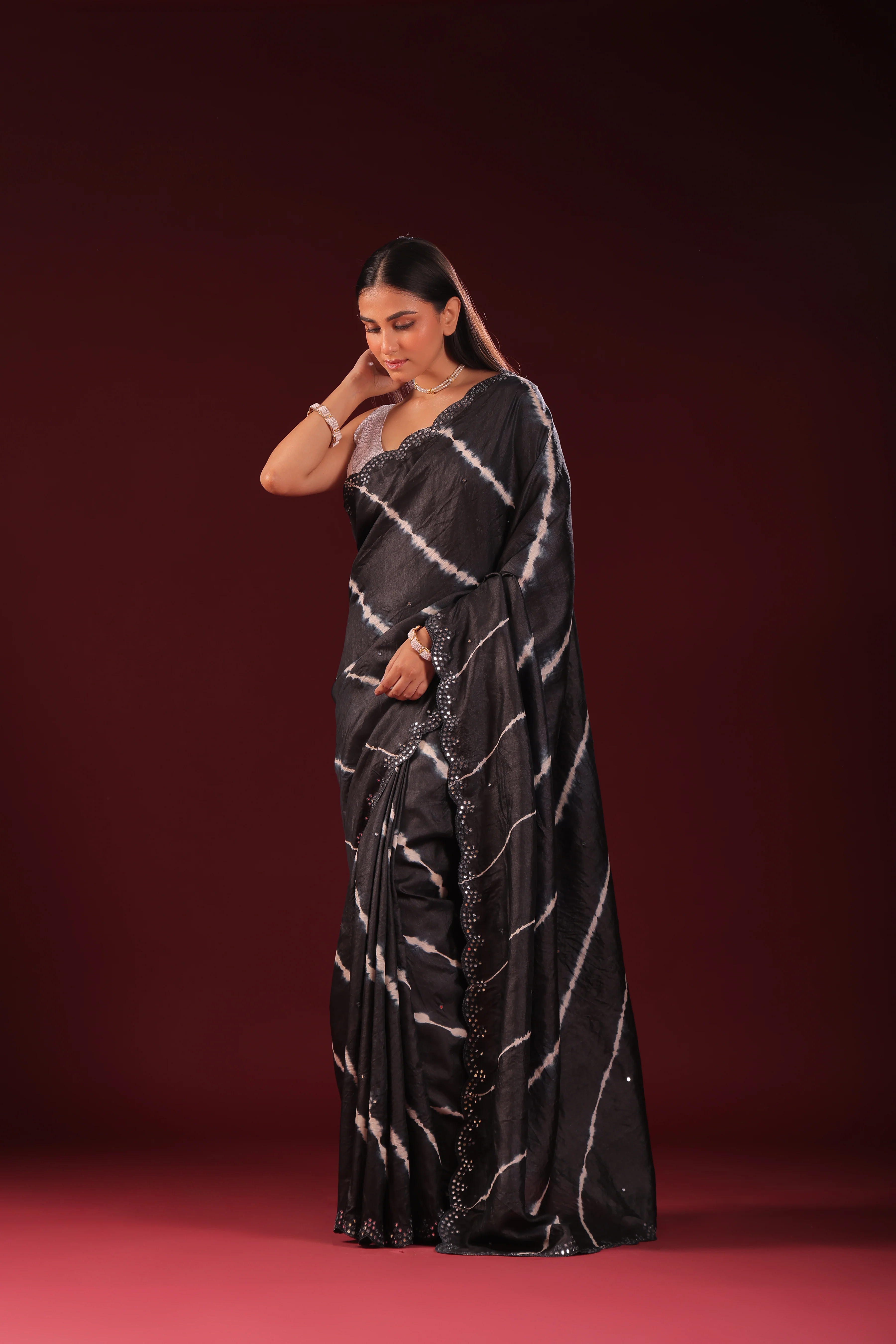
Classic combos: black with gold, red with beige, navy with silver.
💰 5. Price Range
-
Depends on whether it’s handwoven and the amount of Jamdani work:
-
₹8,000 to ₹30,000+ for pure handloom Tussar Jamdani sarees.
-
Designer or premium ones may go higher.
-
🧼 6. Care Instructions
-
Dry clean only.
-
Store wrapped in muslin or cotton cloth.
-
Keep away from direct sunlight and moisture.
-
Do not fold along the same lines repeatedly to avoid creasing the motifs.
🪶 Why Choose a Tussar Jamdani Saree?
-
Lightweight, elegant, and rooted in tradition.
-
Great for festive, semi-formal, or artistic occasions.
-
A saree that blends handloom heritage, understated luxury, and timeless style.
Product Information
Product Information
Shipping & Returns
Shipping & Returns
Description
Here’s a clear and complete overview of a Tussar Jamdani saree — blending the earthy charm of Tussar silk with the artistic finesse of Jamdani weaving:
🧵 1. Fabric: Tussar Silk
-
Also called Kosa silk, native to India (Jharkhand, Chhattisgarh, Bihar).
-
Natural golden-beige tone, slightly coarse texture, light and breathable.
-
Has a matte sheen, which gives it a raw, organic elegance.
-
Very comfortable for hot or humid climates.
🧶 2. Weaving Technique: Jamdani
-
An ancient handwoven technique from Bengal and Bangladesh.
-
Made on traditional handlooms using the extra weft method.
-
Motifs are woven directly into the fabric (not embroidered or printed).
-
Creates a "floating" design effect on the surface of the saree.
-
Takes weeks or months to weave depending on complexity.
✨ 3. Design Features
-
Body: Often plain or lightly textured with delicate handwoven motifs.
-
Motifs: Inspired by nature — leaves, florals, vines, paisleys, birds.
-
Borders & Pallu: Typically contrasting or intricately designed.
-
Some have light zari work for a touch of shine, but still remain elegant and subtle.
-
Perfect mix of ethnic and minimalistic aesthetics.
🎨 4. Color Variations
-
Earthy tones: beige, rust, olive, mustard.
-
Pastels: rose pink, sky blue, mint green, ivory.
-
Classic combos: black with gold, red with beige, navy with silver.
💰 5. Price Range
-
Depends on whether it’s handwoven and the amount of Jamdani work:
-
₹8,000 to ₹30,000+ for pure handloom Tussar Jamdani sarees.
-
Designer or premium ones may go higher.
-
🧼 6. Care Instructions
-
Dry clean only.
-
Store wrapped in muslin or cotton cloth.
-
Keep away from direct sunlight and moisture.
-
Do not fold along the same lines repeatedly to avoid creasing the motifs.
🪶 Why Choose a Tussar Jamdani Saree?
-
Lightweight, elegant, and rooted in tradition.
-
Great for festive, semi-formal, or artistic occasions.
-
A saree that blends handloom heritage, understated luxury, and timeless style.